



Leaderboard
-
Stoan
Members7Points718Posts -
Orion13
Members6Points106Posts -
disco2000
Members6Points4,681Posts -
RedSummit20
Members4Points426Posts



Popular Content
Showing content with the highest reputation on 04/18/2023 in all areas
-
3 pointsThe old VIP area was built for 2022’s 50th celebration. It wasn’t there for years. Now that I’m using Preferred Parking, I kind of agree. The real question is will there typically be a spot for you if you don’t show up first thing in the morning once the core season hits? If there is then I agree the pass is pretty much worth it for that alone.3 points
-
3 pointsThose are some great pics from opening weekend. Hope to make it for at least a day trip this year.3 points
-
3 pointsThe Prestige Pass with the parking alone is worth it to me. What is it $35 for preferred now, then wanting that EVERY visit. That adds up. As far as the VIP i have the drink plan so no biggie on that. It will be nice to have its own place. I think they should/could add that we get 1 person in with us. Many times im there with a friend or my daughter that dont have a pass, then i want to go in there but "feel" bad so i dont. So then im not getting my use for it. Same thing with the front of the line pass. Should/could be you plus 1. Idk maybe they add that in the future who knows. Overall im excited for this year and cant wait to see what it brings to the table.3 points
-
Blue Ash Chili closed the nearby spot, it is now what appears to either be Indian or Indian Chinese fusion? But yes, the setup for Coney Mall's kitchen did get reset and does look to be a bit more in-line with standard Cincinnati Chili building. One person was running ways, and one person doing coneys. Also an expediter, fry person, and wiener chef. Everything they need to blow through a lot of people from what I saw during the rain on Sunday. Hopefully with some practice they can get an order out every 30-45 seconds or so, as I snobbishly cannot imagine any order really taking much longer than this. Though my Fast Food experience is more from Wendy's and making 20-30 Jr. Bacon Cheeseburgers a minute during rush.3 points
-
2 pointsOh yea that will stop people from using it LOL, just like the line jumping signs stop people from line jumping, the no smoking announcements stop people from smoking in the park, and the exit only signs on restaurants stop folks from going thru the exit to skip having their refill cup scanned....2 points
-
2 pointsWhen my group and I were headed to Orion, we saw what appeared to be one person attempting to distract the line attendant so the others in the group could walk through the FL line. My group and I all have all season/all parks FL so we were trying to walk towards that line-up and saw this happening. The line attendant finally caught on to what was happening and had them re-route to the regular line. The disrespect is in abundance out there. I felt bad because the line attendant was trying to give good customer service but was being duped.2 points
-
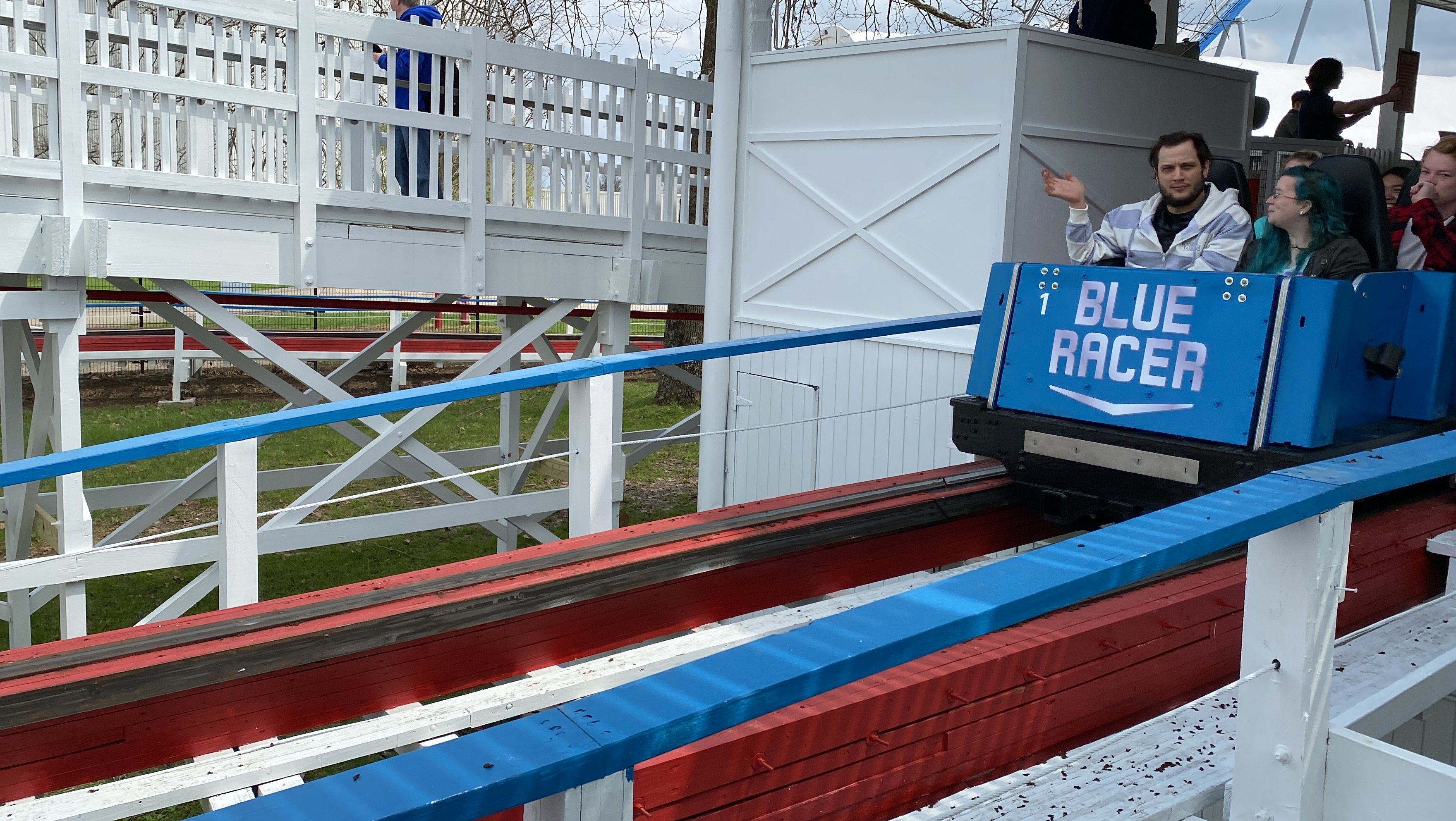
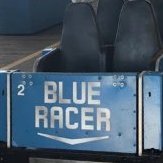
2 pointsLine-jumpers were in full force this weekend. On Saturday, I witnessed numerous teens exploit the Fast Lane line to hop the fence on The Racer and group with people they know. Another girl hopscotched the WindSeeker line multiple times because she seemingly knew people in more than one group in that line.2 points
-
2 pointsYes, the permanent structure brings small hope (but hope) that they might have a more refined set up. Even the old area seemed hastily put together even though it was there for like 2-3 years? I am perfectly happy with just asking the check-in person (which I confused so much by asking for a burger and fries when I checked in) for a bag of chips (downgrade small bags). Again, just imagine what all could be done if they just tied more things to your passes. What about a soda machine/chip vending machine that didn't take cash but simply needed you to scan your pass and make a selection. Just so they can find out that Karen Jones for some reason is trying to eat 45 bags of Cheetos a day. Even if this leads to a small limit on how much free crap I can get out of it, as long as it keeps the stuff from just disappearing.2 points
-
2 pointsone of the big reasons I bought the PP was for VIP area. Just a place to "get away" from the crowds and relax without seeing many people in the park or people watch. I know the temp area is fine and cannot wait to see the completed permanent structure and with restaurant and drink location so close I don't care about the offerings other than a nice place to sit to relax.2 points
-
2 points
-
Outpost Frozen Cocktails has now been added to the Kings Island website: https://www.visitkingsisland.com/dining/outpost-frozen-cocktails2 points
-
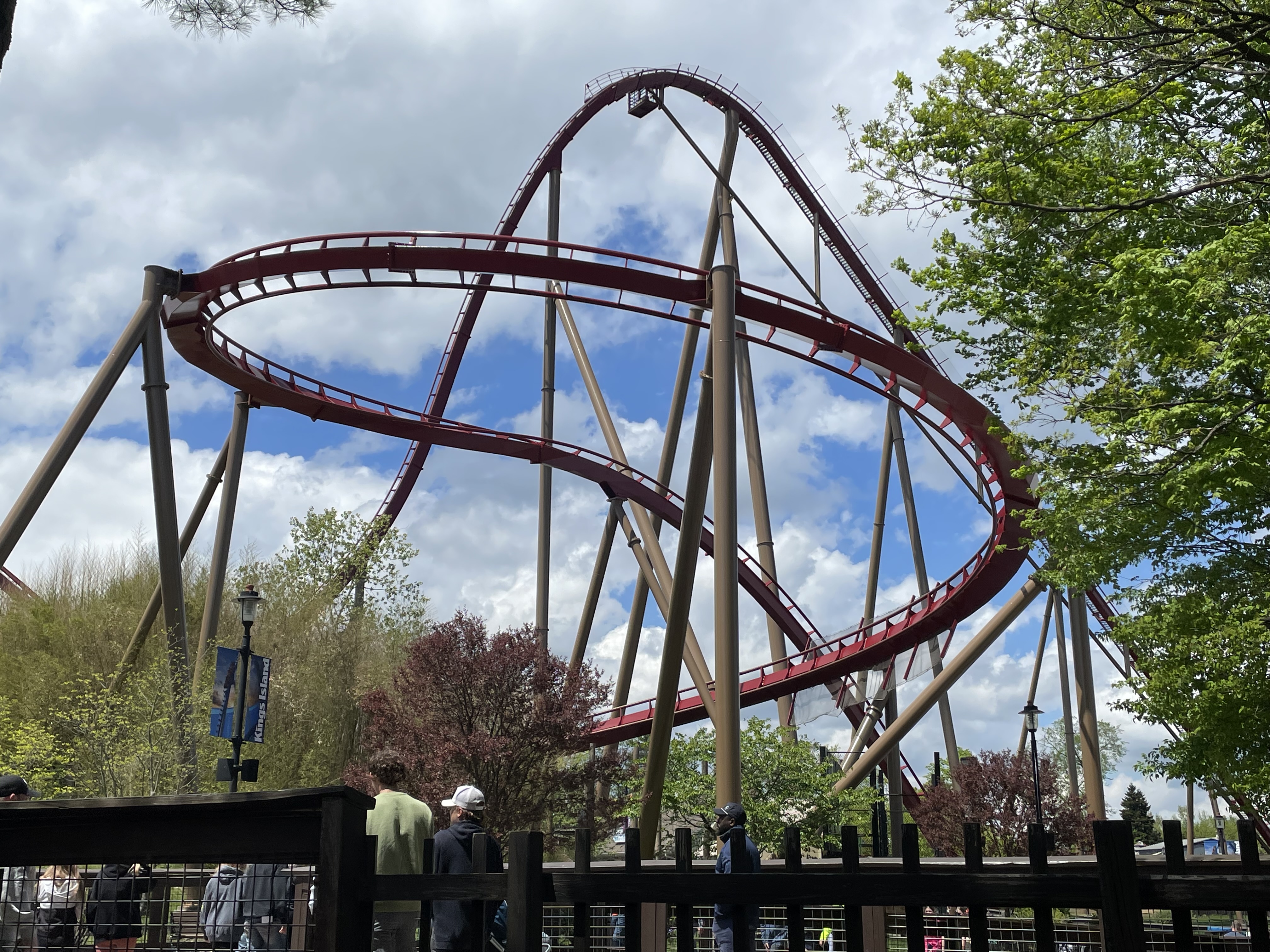
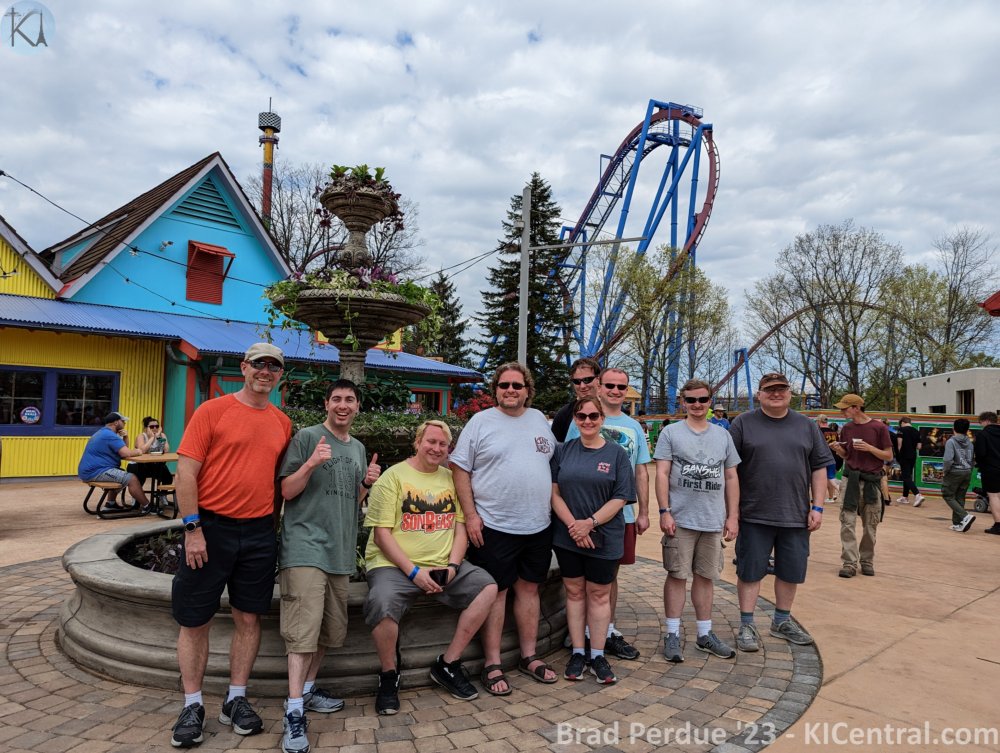
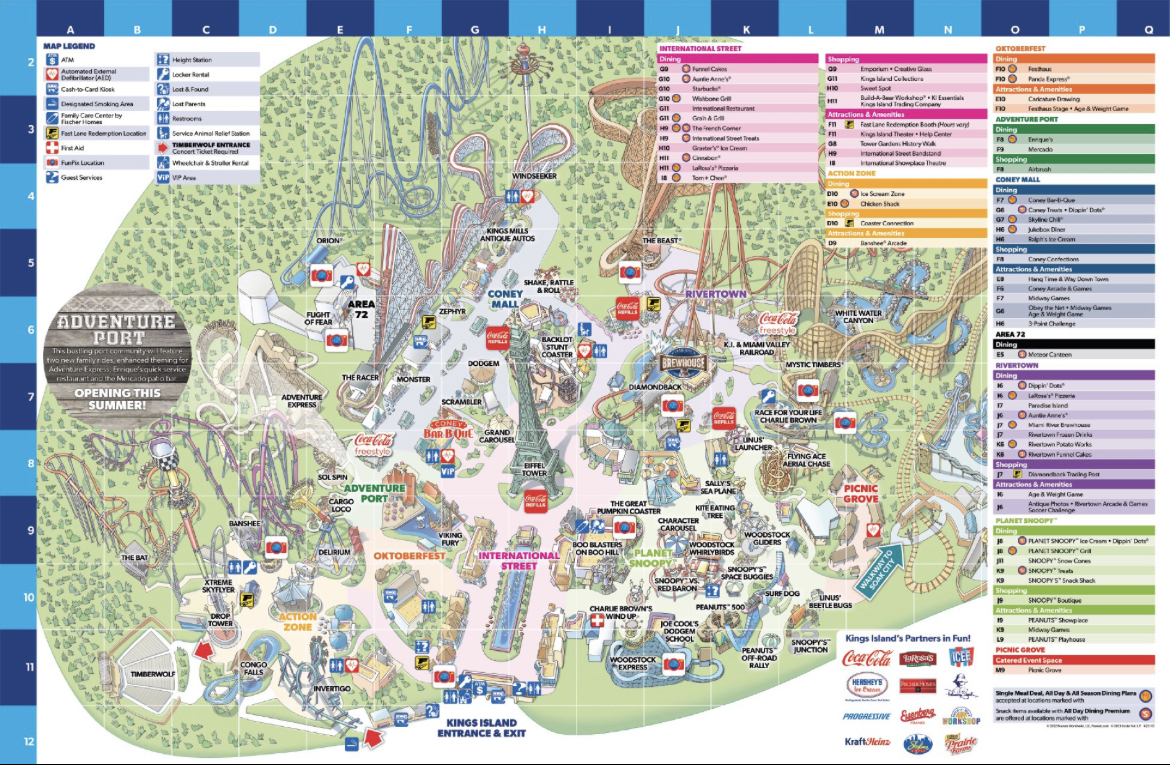
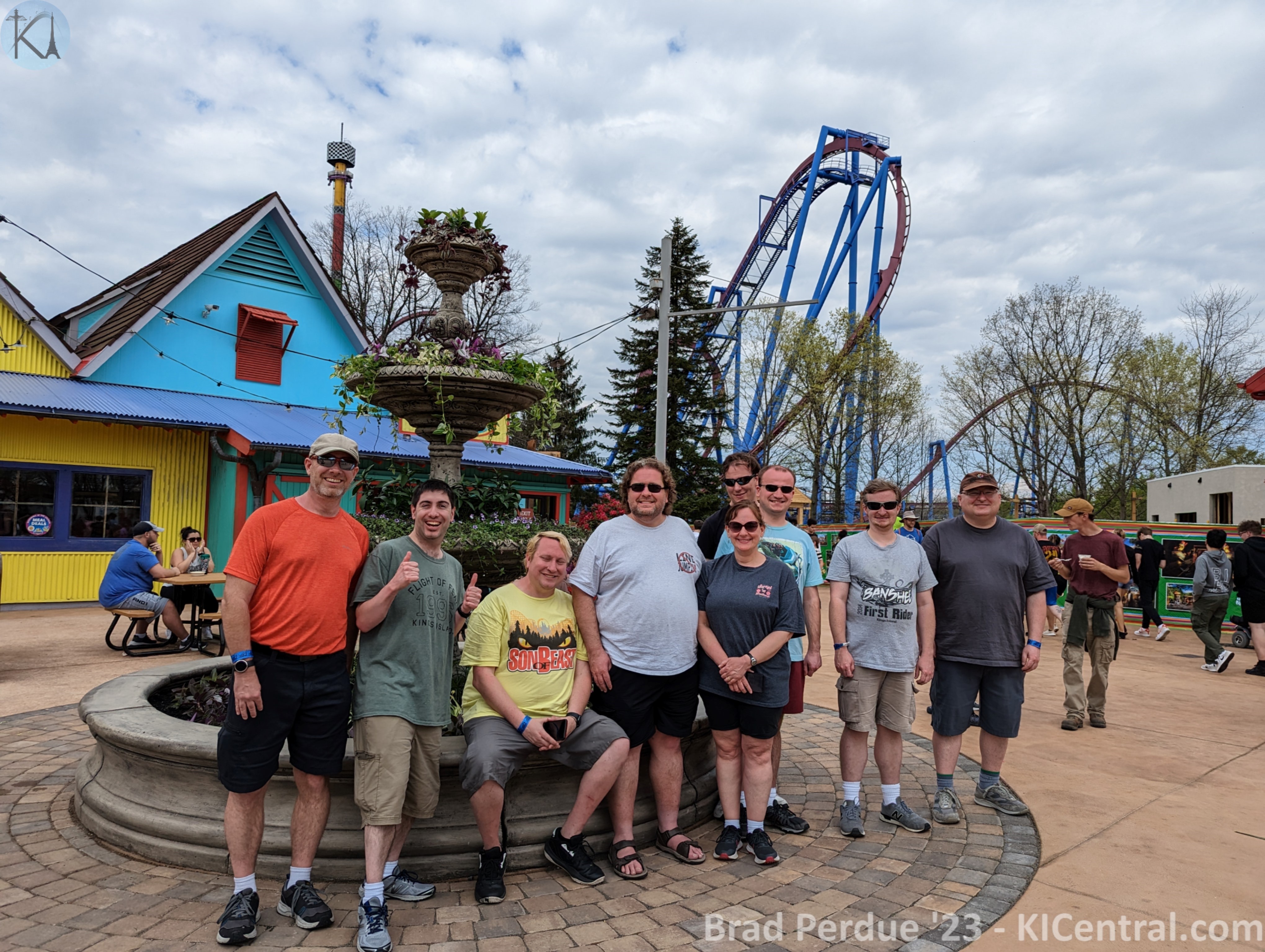
Kings Island opened its gates to season pass holders on April 14th, 2023 and the new season officially started on April 15th, 2023 for its 51st season of operations. The weather could not have been better for an opening day with sunny weather and in the upper 70s. It is rare that you are able to attend the opening day in shorts, sandals, and having to apply sunscreen multiple times during the day. It was so nice just to be at the park and enjoy the atmosphere of Kings Island and spend time with your coaster family. Adventure Port Now for the 2023 park expansion, Adventure Port. This is really coming along and we hope to see some real progress being made in the next few weeks. Yes, it would have been nice if this area could have been ready for opening weekend. Nonetheless, seeing the progress being made was really cool, and look forward to seeing how it progresses along until it is open. See the full gallery of construction photos here: https://kicentral.com/photos/adventure-port-construction Adventure Port - The opportunity boat was totally missed. The biggest disappointment for Kings Island fans and guests was walking in and seeing Adventure Port blocked off with no new rides to experience or for that matter just non-existent. Let's break this down a bit and think logically. Since Cedar Fair has owned the park, Kings Island has a very good track record of opening attractions up with opening weekend most seasons. Can't say 100%, because Windseeker comes to mind, but overall we have to give Kings Island an A for getting rides opened on opening weekend. Kings Island really set the bar high with guests' expectations. That is an awesome achievement, and they really do deserve credit for that track record. Let's take a look at communication before the park opened. Nothing came out of the park making it seem that there was any delay in getting the new area ready for Opening Day. Sure there were some who did not have high hopes to be able to ride Sol Spin and Cargo Loco opening weekend, but when you have said absolutely nothing to your guests and fans, they assume they have two new rides to try out that weekend. We are not marketing majors at KIC, but it seems they let the poor opportunity boat float in the sea and never got it into port. Why weren't the media and fan sites brought out to see the area the last weekend or during the week before family night and preview day? The park could have used that air time and press to explain how far you have come with construction, what is left to do, the status of the ride's arrival, what is involved in getting them installed, and when the expected reveal date will happen. Drawing attention to that date would have alleviated 85% of the disappointment that happened over the weekend. KICentral is always here to support KI and will do everything it can to help the park. All you have to do is reach out, we will do everything we can to help. Grain & Grill The new Grain and Grill Restaurant is sure to be a big hit once it opens. The new façade really makes that building pop and looks great. We are very excited to have another unique menu restaurant created by the culinary team at Kings Island to use on the meal plan. Skyline Diamondback Repaint Progress The new paint job is coming along very nicely on Diamondback. I had my doubts about the mushroom brown on the supports when it was announced, but it really does look good. So far, they have everything from the station all the way through the first drop and the helix completed. I am not a paint expert, but it looks like some of the other track has been prepped for paint. Some on KIC and online have been asking why this is not further along or complete by now. Unlike other structures, the temperature has to be above 50 degrees, and might even be higher for the paint used on coasters. So painting could not really get in full gear until the last several weeks. I really can't wait until we see Diamondback complete. Here is a look at the lift hill. See the full gallery of Diamondback's painting photos here: https://kicentral.com/photos/diamondback-repaint-2023 KICentral members met up and took a picture in the new Adventure Port. We hope you enjoyed preview day and opening weekend as much as we did and look forward to seeing you on the midways and on the boards as the season progresses. We will try to keep you up to date as much as we can on Adventure Port's progress until everyone is able to experience it for themselves! Adventure Port Construction Updates thread: https://kicentral.com/forums/index.php?/topic/45165-adventure-port-construction-updates/page/11
 1 point
 -
1 pointNote to this (now fired) employee- please don't waste first responders' time with this kind of nonsense: https://www.wthr.com/article/tech/science/environment/no-black-bear-not-spotted-outside-holiday-world-black-bear-hoax-indiana-dnr/531-2ec4801e-aac2-4ff0-8e20-46cf237b49b51 point
-
I want to clarify that there was no one present in the preferred lot station Sunday, they just had a sign saying preferred pass people can enter.1 point
-
1 pointSo i heard that its a fcfs basis as far as parking. Once its full its full. I do think they need a gate on that so it can count the cars in vs cars out.1 point
-
1 pointsome of the best guests are those who look at the positive day they had and not dwell on the one negative issue that happened. it maybe some food not warm enough, or some teens being rowdy, line jumping but they focus on the moment of being in the park and still enjoying themselves. it is always easier to complain about your day then give positive day outcome. don't let a bad issue influence your whole day.1 point
-
1 pointI didn’t buy the prestige pass. Just an observation on what they promised and what they delivered. Sent from my iPhone using Tapatalk1 point
-
The way the Skyline restaurants do it, 1-2 people puts together ways, 1-2 on coneys, one on burrito bar (salads, wraps, chilitos, pretty much everything else). Depends on table size and layout, but each person puts together the items in full, not via assembly line. I can make make a full rack of 8 cheese coneys in under 30 seconds. I work drive thru a lot and have to often put $50-70 orders together on my own on busy shifts. I've even put together very large catering orders (in the ballpark of 100-300 coneys) together in an hour during a dinner rush in Clifton (because UC frats/sororities/AD stuffs). I'd say a table crew at the restaurants can put together an average order for a family of 4-5 in under a minute (unless there are fries, most Skylines cook fries to order and those take 3-4 minutes depending on the fryer and its servers' discression whether to take them out with the whole order or take them separately). The one in CM is more well suited for making Skyline so they can use both sides of the table, the on one I-Street doing it a la Subway is extremely inefficient. I never eat Skyline at the park (more due to not wanting chili+coasters, sounds like a terrible combination to me, the only time I consider it is before my Haunt visits and I usually eat at the one just outside the park or at Blue Ash Chili that's also close by), so I've never really seen them in action on a consistent basis. Obviously, making it all automated orders cuts down on order confusion since there's a LOT of different lingo used to order Skyline (mostly coneys). But siphoning everything to one location is going to be a pain for that staff. If you want to see how its done, assuming they're somewhat well staffed, go to one outside the park. I think KI should partner with the one just outside the park to train employees before putting them on the line in the park.1 point
-
Cross-threading, but maybe that is why preferred lot stayed open until close Sunday as that station can see that area.1 point
-
I give them a month before a new guard station is set up over in the Timberwolf road1 point
-
They need to do like they did with Chick-Fil-A - the need to reduce the width of the queue from where you place the order to where you get the food and use that freed up space to add another queue for the order line. On Saturday, but even in years past, on a busy day it is not uncommon to see 30 or so people that have ordered and then all bunched up by the drinks and exit waiting for their number to be called. If that queue was a normal queue width, then at least the bottleneck is at the cashier as they couldn't take another order until some of that line cleared out, similar to what would happen at I-street Skyline.1 point
-
Looks like 208 Retrak to me. Should keep the original layout and trains and only replace the track itself. I always liked the layout, but even a few weeks after the ride opened the tracking was terrible, the trains moved around way too much and you could tell it would get rough. Since then it has gotten extremely rough, I still try to ride it every once in a while and then vow to not ride it again until it gets retracked. I would have preferred to see gravity group fix it with their precut track. But this will fix the ride permanently and I look forward to riding it later this year.1 point
-
I'd be happy with a simpler menu, but holy hell do they need to cook that rotisserie chicken more. It's barely crisped skin1 point
-
Unfortunately for my health Sweet shop has an even better variety of sweets this year! The buckeye mousse was very good and the cheesecake creamsicle was decent.1 point
-
1 pointOverheard some people this morning looking at The Vortex plot of land and trying to claim last week Vortex was still standing LOL.1 point
-
I know it’s an unpopular opinion. But phantom encore was a disappointment. Maybe they could tweak it this year and the magician could actually do a magic show… or the stunt man could do acrobatic feats or actual stunts. But compared to cirque shows, it was pretty meh. Especially if you had no nostalgic tie to phantom theater. (Ie kids) Sent from my iPhone using Tapatalk1 point
-
1 pointMy favorite guests are ones who laugh on coasters. For example, my wife is not a fan of big scary coasters. But on a family ride like The Racer, after a brief gasp going down the first hill, she starts laughing. Huge ear to ear grin. All the way through. It’s a beautiful thing. When the entire train joins in the laughter, it’s magic. Pure innocent joy with strangers. Rare to find these days. :^)1 point
-
1 pointGrain & Grill has now been added to the Kings Island website: https://www.visitkingsisland.com/dining/grain-and-grill1 point
-
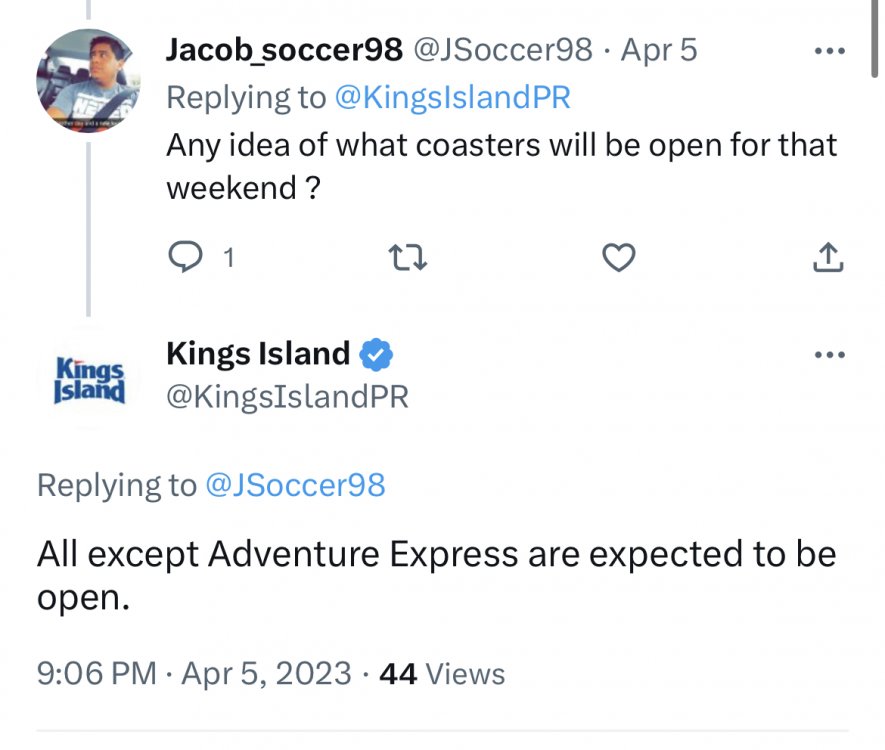
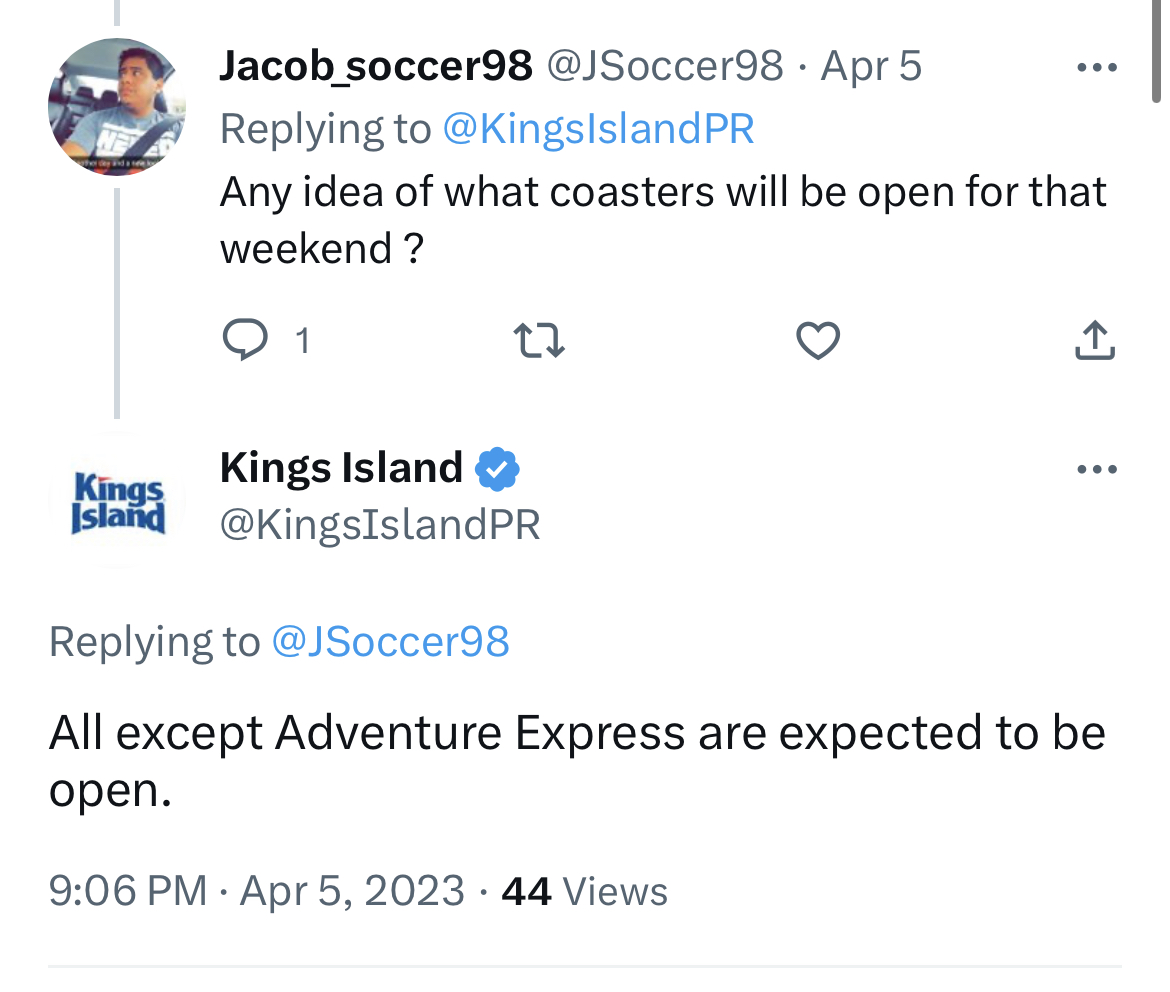
As for The Bat being closed, Kings Island posted on Twitter that all of the coasters except Adventure Express are expected to be open… Unless The Bat being closed until June was decided in the last few days, this Reddit user’s claims may be false.
 1 point
 -
1 pointThere is a big part you are missing, and that is service life and repair costs of steel coasters compared to wooden coasters, and that is why we see things like Vortex, Firehawk, and King Cobra disappear, and eventually The Bat will leave...that plays a much bigger role than "community" opinion or a "debate of do we fix an old coaster or just build a new one" on when a steel coaster is removed. And don't mistake a paint job as it means it will be around a lot longer. King Cobra was repainted and was gone a year or two afterwards. Slingshot was painted and then removed without re-opening.... A wood coaster can last longer because it is easy for the parks to buy lumber in bulk and the type of laborer needed and access to the piece that needs replaced is easier than for a steel coaster. Our wooden coasters are walked daily and if you visit enough, there are times you can see a piece of wood has been replaced mid-season as a result of these daily inspections. And then sometimes we get off-season sections replaced as we have seen recently. Due to the design of the wooden coasters (walking paths the entire length) and the type of laborer needed for wood (compared to a welder), it is cheaper to maintain wooden coaster than a steel coaster. While steel is stronger than wood, it is subject to higher loads, fatigue and as such has a defined service life. Sometimes the service life is shorter than expected, and sometimes it is longer. So many factors come into play. Maybe it got bad steel; or the stress loads were higher than anticipated; or the temperature of the location of the ride impacted the steel more while it was being operated. Steel can only handle so many cycles before it starts to fatigue and it typically deforms and weakens at the welds. Steel coasters are subject to annual non-destructive testing inspections for the integrity of the welds. Other testing such as holiday testing, ultrasound, and several other methods are used to detect imperfections that are not visible to the naked eye. At some point these inspections provide how much longer the ride is able to operate until wide-scale fatigue failure occurs. Sometimes is matches up with the intended design life, and sometimes it doesn't. Part of the maintenance of steel coasters is repairing any welds that are beginning to fatigue. This is extremely expensive. The ride manufacturers require certain methods, type of welds, materials, etc. to be used on their rides. Plus, unlike wooden coasters with a walking track the entire length, steel coasters usually only have that on the lift hill, MCBR, and final brake run. So now you need cranes or other equipment to hoist the laborer and material in place. With a wood coaster, you can carry a couple of pieces of lumber with you to the location. The specialty labor required for a steel coaster weld repair, along with the parts cost is orders of magnitude greater than for a wooden coaster. You may be asking well why don't parks re-track and replace components yearly on their steel coasters like they do for wooden coasters? Again, the answer is cost. Depending on the nature of the repair, it could cost more to repair than a new coaster. Same thing with automobiles - sometimes the cost to repair a vehicle after a crash is more expensive than just buying a new car. Or restaurants. Many times it is cheaper to demolish and rebuild on site than it would be to remodel and get it up to current code. The initial build and fabrication of the steel coaster is always cheaper in the factory and onsite in an open field than 30-something years later. Access is more difficult, more levels of approvals are needed. More specialized laborers are needed. The cost of the materials are more expensive, etc. Further, by the time the ride has reached its original design life, many of these rides will have lost enough ridership as they have aged that the ride's popularity would not justify replacing all the steel components needing replacement, especially if it would be cheaper to simply build a new coaster. As it relates to The Bat, it does have going for it that the segments are bolted instead of welded like older Arrow coasters, so if there were sections that came back that were more fatigued than others, it could be possible. But there is still a lot of welding on The Bat. Does that mean that no steel coaster is ever rehabbed and track replaced - no - it has happened and will continue to happen on a case-by-case basis. But for something like The Bat, I could only see KI keep it around beyond its service life with rehab if ACE provided funds to do so to "preserve" an Arrow Suspended Coaster and I just don't see that happening...1 point









This leaderboard is set to New York/GMT-04:00